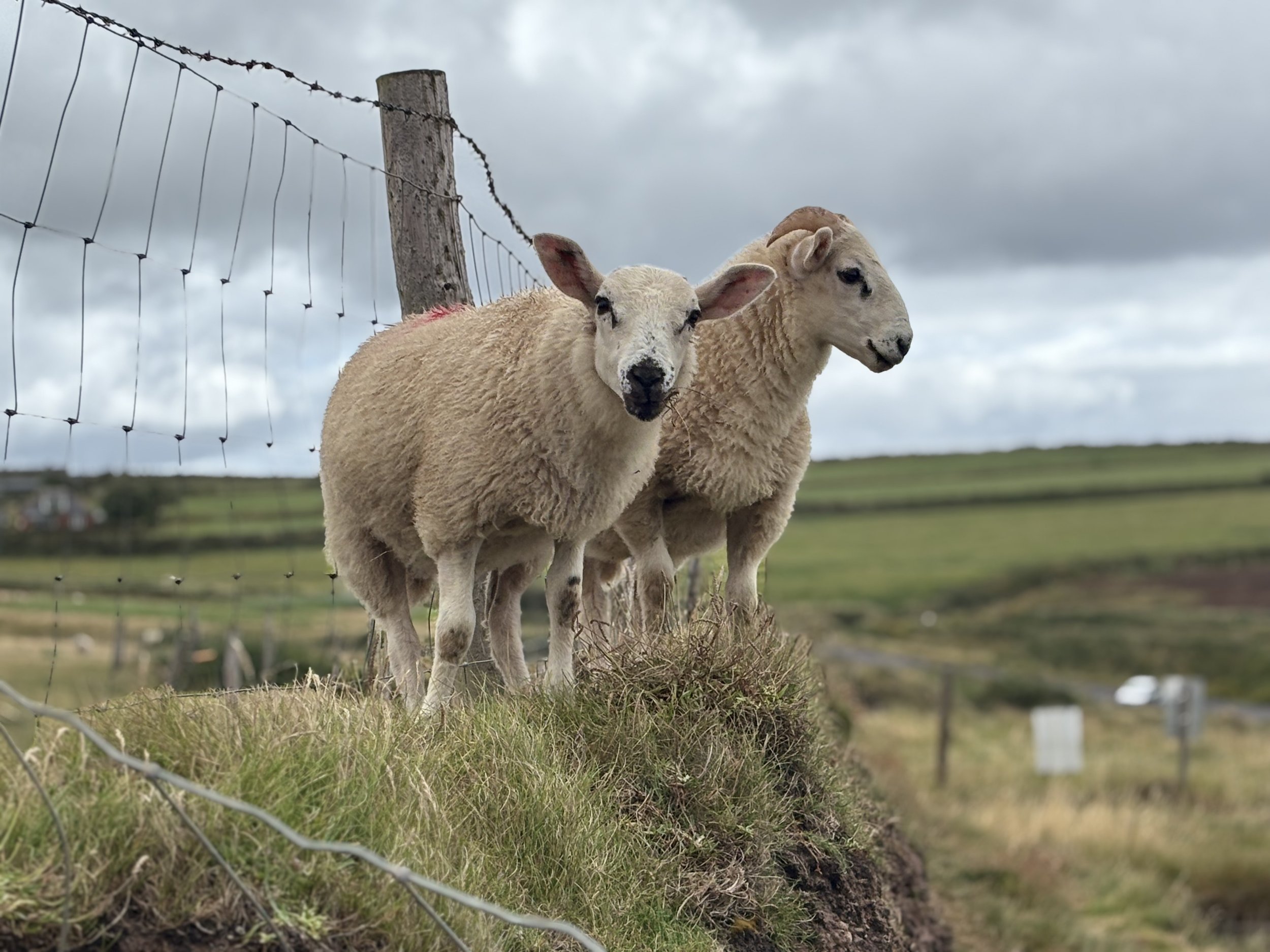
The Bible references sheep over 500 times. Many of those passages refer to literal sheep, but some are metaphorical, alluding to God’s people as sheep. Given the use of sheep metaphors in the Scriptures, you’ve probably heard at least one sermon about them. Sometimes, the pastor or speaker tells a tale or jokes about how dumb sheep are—which, as an aside, some studies suggest is not true.¹ Then, comparing us to sheep, the teacher segues into a lesson on our vulnerability to sin and our need for biblical authority and community to guide us. That’s not to say that we aren’t vulnerable to sin. We are. Or that we don’t need community to walk alongside us or wise counselors to guide us. We do. But the message can be somewhat reductionistic.
I have come to understand that much of my addiction was a quest for peace. Getting sober didn’t stop that search; it only changed the method and the means. During my 30 years of sobriety, more than half of which I have been following Jesus, I’ve still stumbled my way through life, often searching for something to solidify me, something to make me feel whole, and to be at peace with myself.
You might not be able to relate to my struggles with drug addiction, but maybe you know what it’s like to feel at odds with yourself. That gnawing in your gut. A sense of emptiness. Purposelessness. Shame. Regret. Discontentment. Restlessness. Unease.
Hope is a double-edged sword because we follow a God who does not conform to our expectations and whose plans do not always align with our hopes. As the psalmist said, our God is in the heavens; he does all that he pleases (Psalm 115:3).